Niki de Saint Phalle
Niki de Saint Phalle, born in 1930 in Neuilly-sur-Seine, France, and who passed away in 2002, is a French artist renowned for her bold and colorful works that often explored themes of female emancipation, joy, and fantasy. She is best known for her large sculptures of voluptuous women, called «Nanas,» which have become icons of feminism and modern art.
Niki de Saint Phalle began her artistic career in the 1950s. Initially, she experimented with various art forms, including painting. However, it was in the 1960s that she truly found her voice with the «Tirs» series, where she shot at paint-filled bladders hidden behind plaster, creating explosive and performative works of art. This series captured the attention of the public and critics alike, allowing her to establish a reputation as an avant-garde artist.
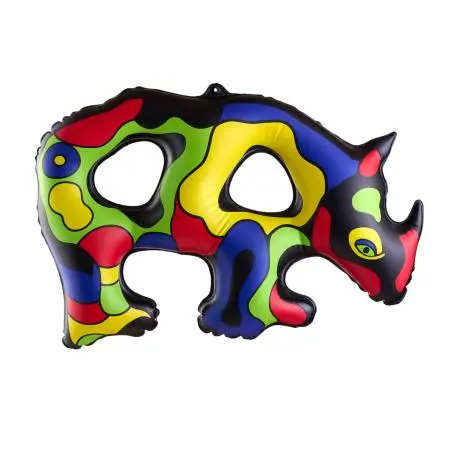
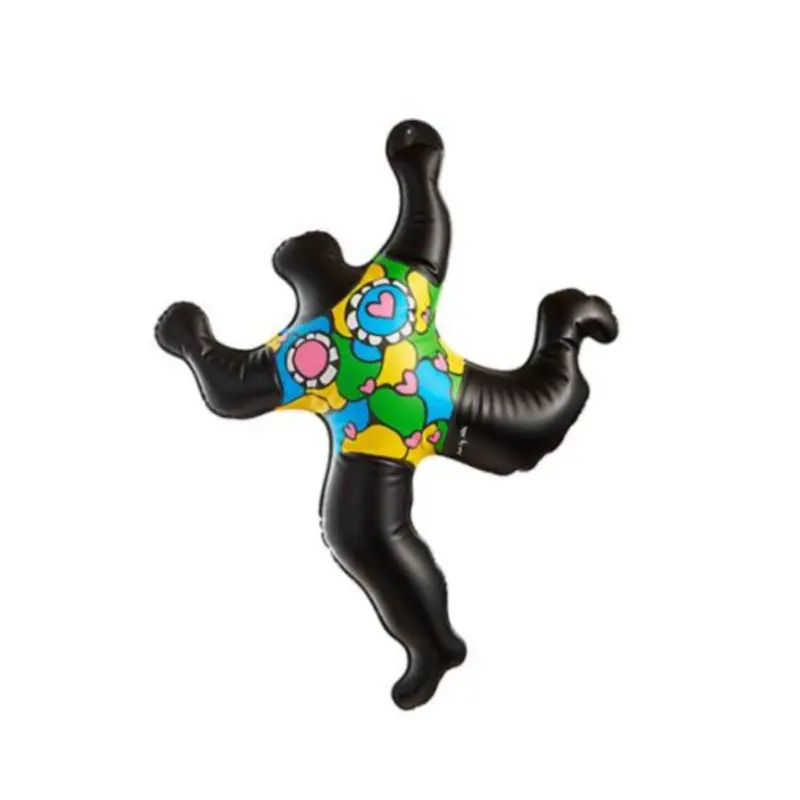
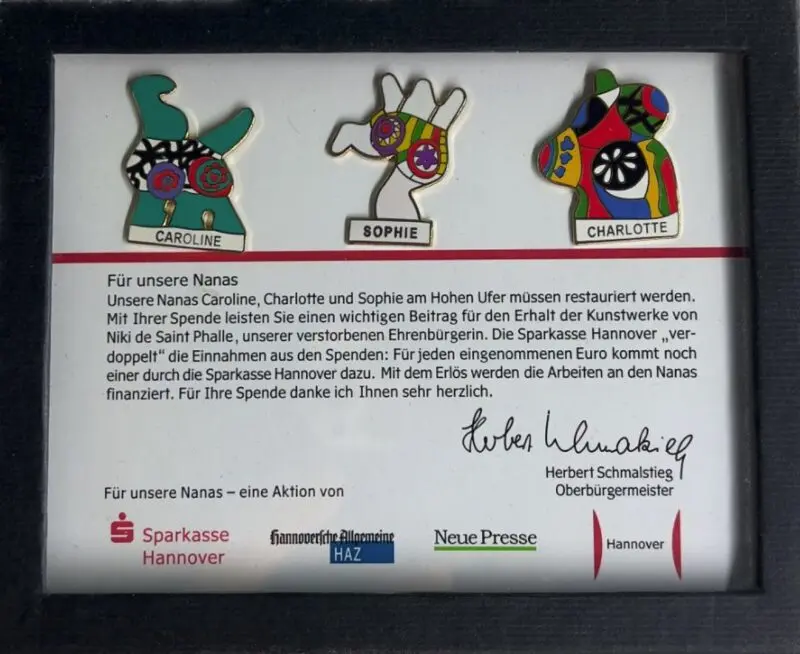
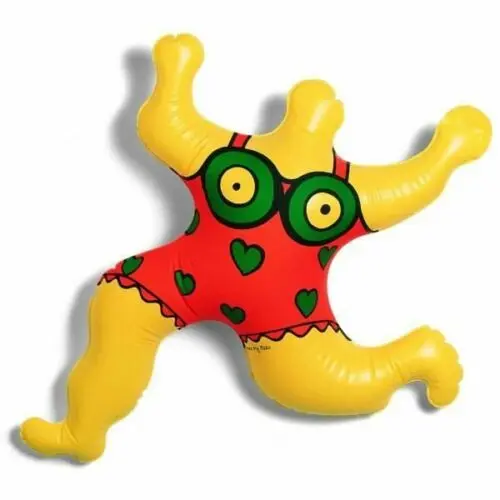
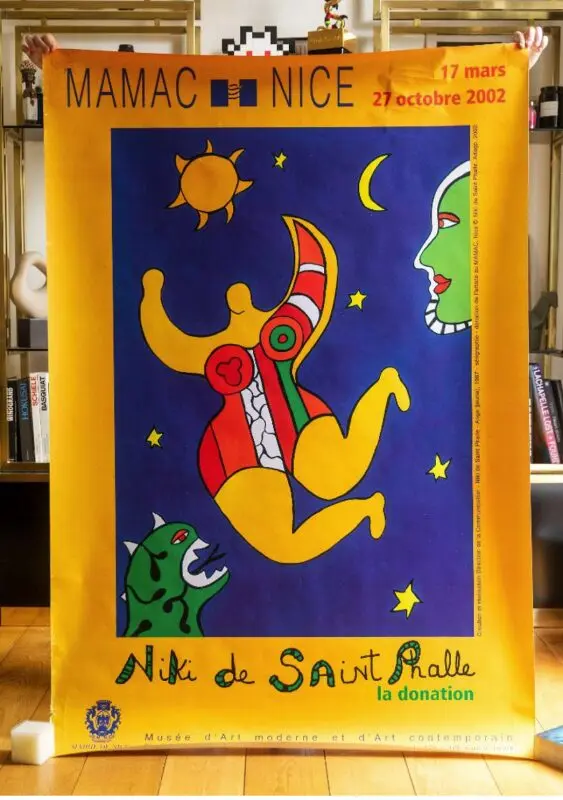
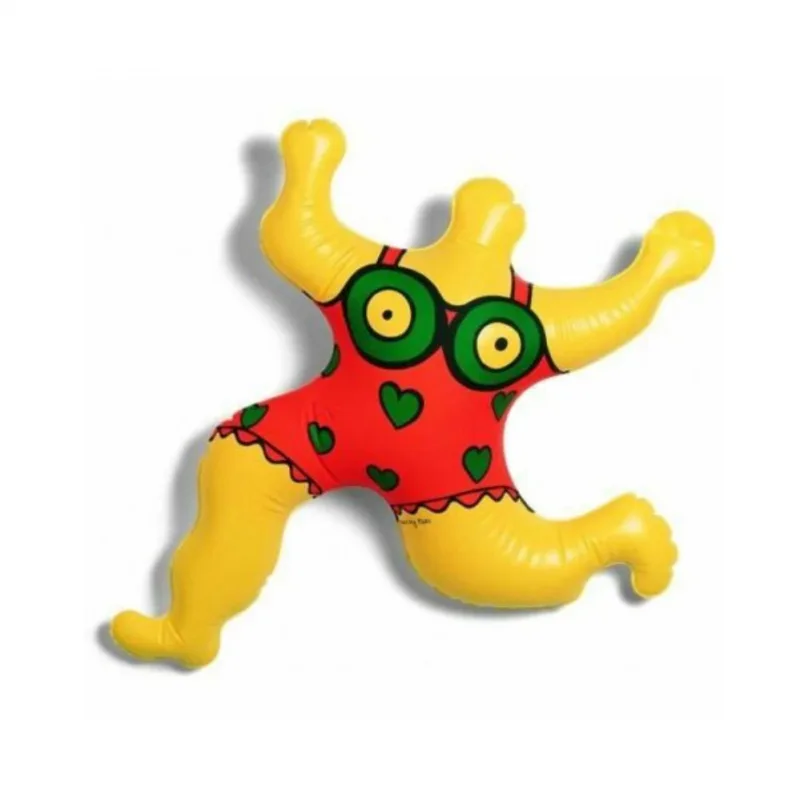
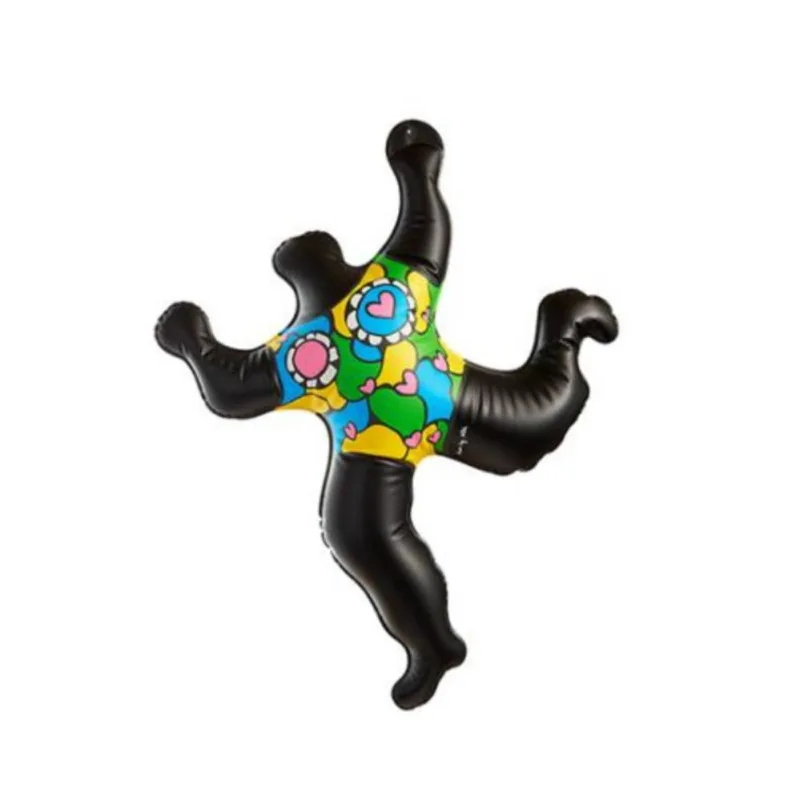
In the mid-1960s, Niki de Saint Phalle began working on what would become her most famous works: the «Nanas.» These monumental polyester sculptures, painted in bright colors, celebrate femininity in a free and assertive form. They embody a zest for life and an independence that were radical at the time, challenging traditional norms of women's roles in society.
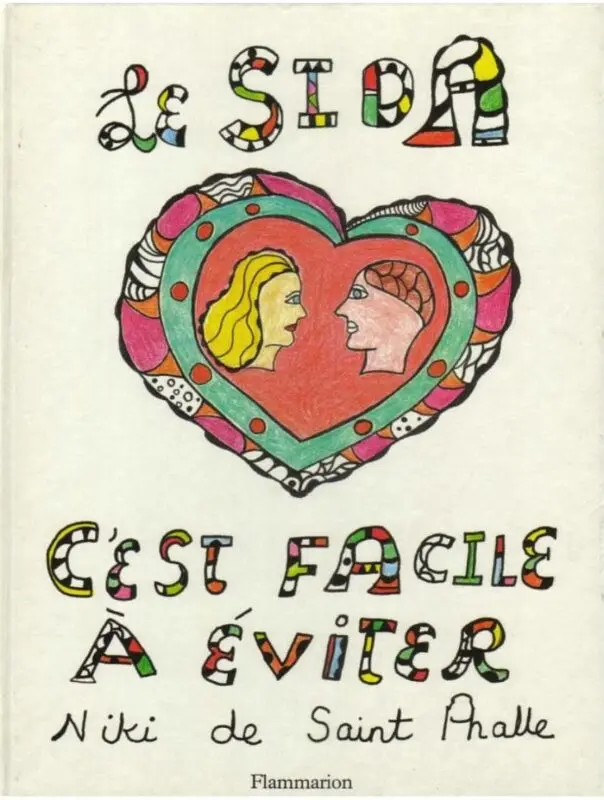
Beyond the «Nanas,» Niki de Saint Phalle also created sculpture gardens, films, and illustrated books. Among her most ambitious projects is the «Tarot Garden» in Tuscany, Italy. Inspired by the figures of tarot cards, this garden is populated by monumental and architectural sculptures that the artist conceived and realized over nearly twenty years. This magical and mystical garden is a testament to her interest in the spiritual and mythological, offering an immersion into a fantastical world.
Niki de Saint Phalle also collaborated with other artists, such as Jean Tinguely, her life partner, and together they created works that combined their artistic talents and visions. Their collaboration is famous for breaking down boundaries between visual arts and performance.
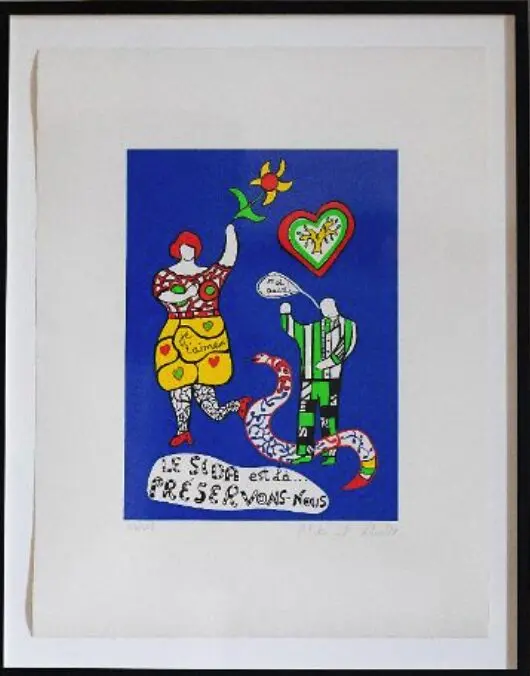
Niki de Saint Phalle's art is deeply personal and politically engaged. She used her work to address issues of gender, sexuality, and women's rights, and continues to be a source of inspiration for new generations of artists and activists. Her works are exhibited in major museums worldwide and remain essential for understanding the evolution of contemporary art, particularly concerning discussions about identity and liberation.