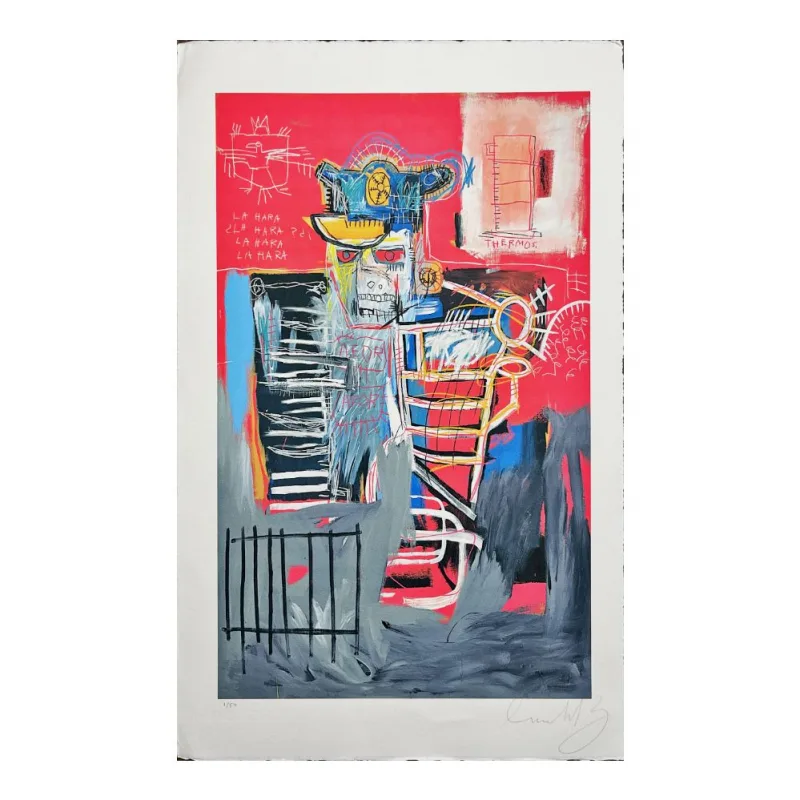
Jean Michel Basquiat
Jean-Michel Basquiat, born in 1960 in Brooklyn, New York, emerged from the underground New York art scene to become one of the most influential figures in contemporary art in the 1980s. Of Haitian and Puerto Rican descent, Basquiat brought a unique perspective to his work, which was fueled by an eclectic range of influences, including history, music, and pop culture, as well as his own cultural heritage.
Basquiat began his artistic career as a graffiti artist under the pseudonym «SAMO©,» using the walls of Manhattan as canvases for his poetic and critical writings. This graffiti period established Basquiat as a prominent figure in the East Village art scene, and his transition from the streets to galleries marked a spectacular turning point in his career.
In 1981, he broke through into the art world after participating in the group exhibition «The Times Square Show.» His works.
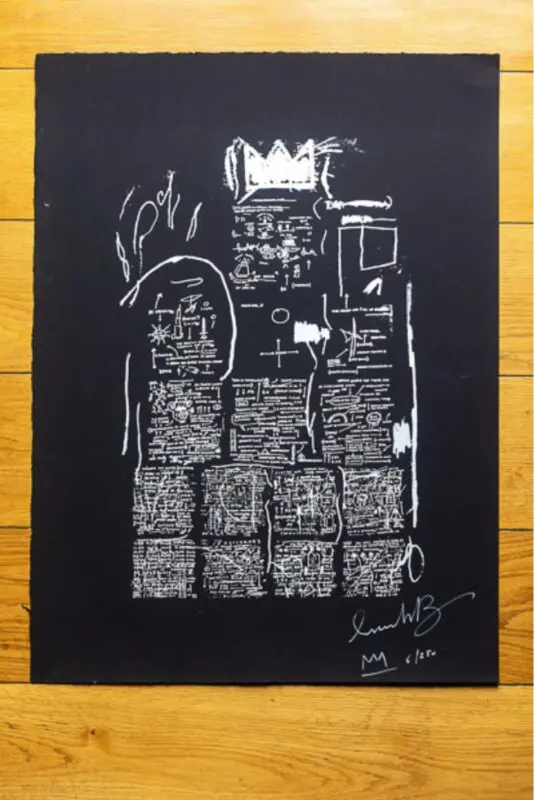
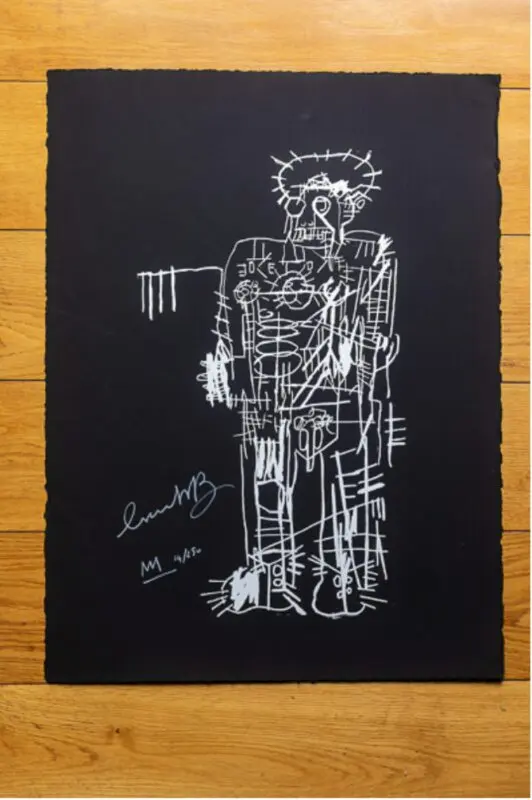
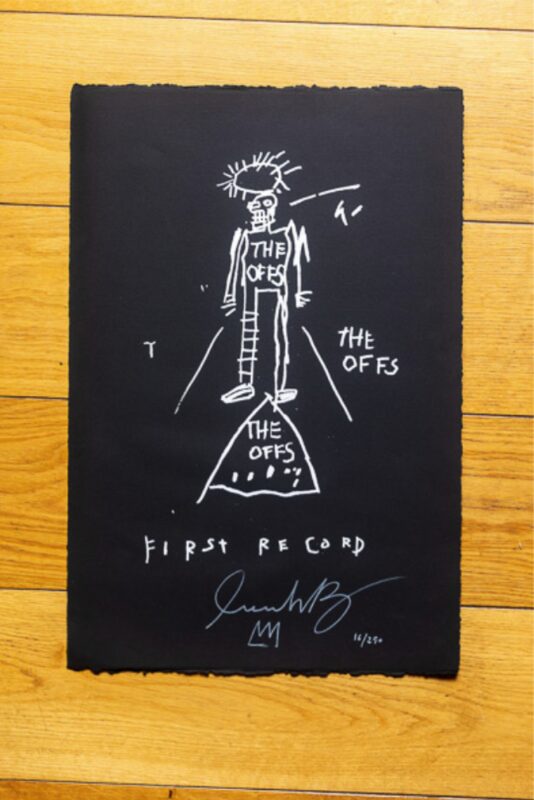
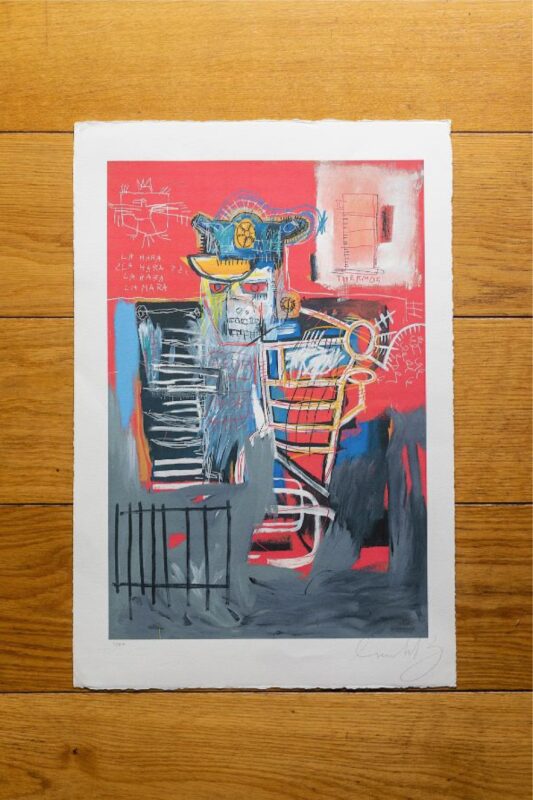
Basquiat's paintings are often populated with cryptic symbols, heroic figures, and references to his Black culture. Works like «Crown» (1982) show powerful crowned Black figures, illustrating the struggle for and recognition of Black power. His style is a blend of street art, expressionism, and surrealism, creating intense visual dialogues that defy simple interpretation.
Basquiat was not only a painter but also a poet, musician, and actor, demonstrating his immense talent and versatility. Unfortunately, his meteoric career was cut short by his premature death in 1988 at the age of 27, due to an overdose. Despite his short life, Basquiat's impact on contemporary art is monumental. He paved the way for broader discussions on diversity and inclusion in the art world, while remaining a major figure in modern expressionism.
His legacy endures through posthumous exhibitions and a constant interest in his work, which continues to fetch record prices at auctions. Basquiat is not only a symbol of the 1980s art scene but also an enduring example of how art can influence culture, social dialogue, and intercultural understanding.